Visual references
Best CMS Platforms for Pharmaceutical Websites 2027
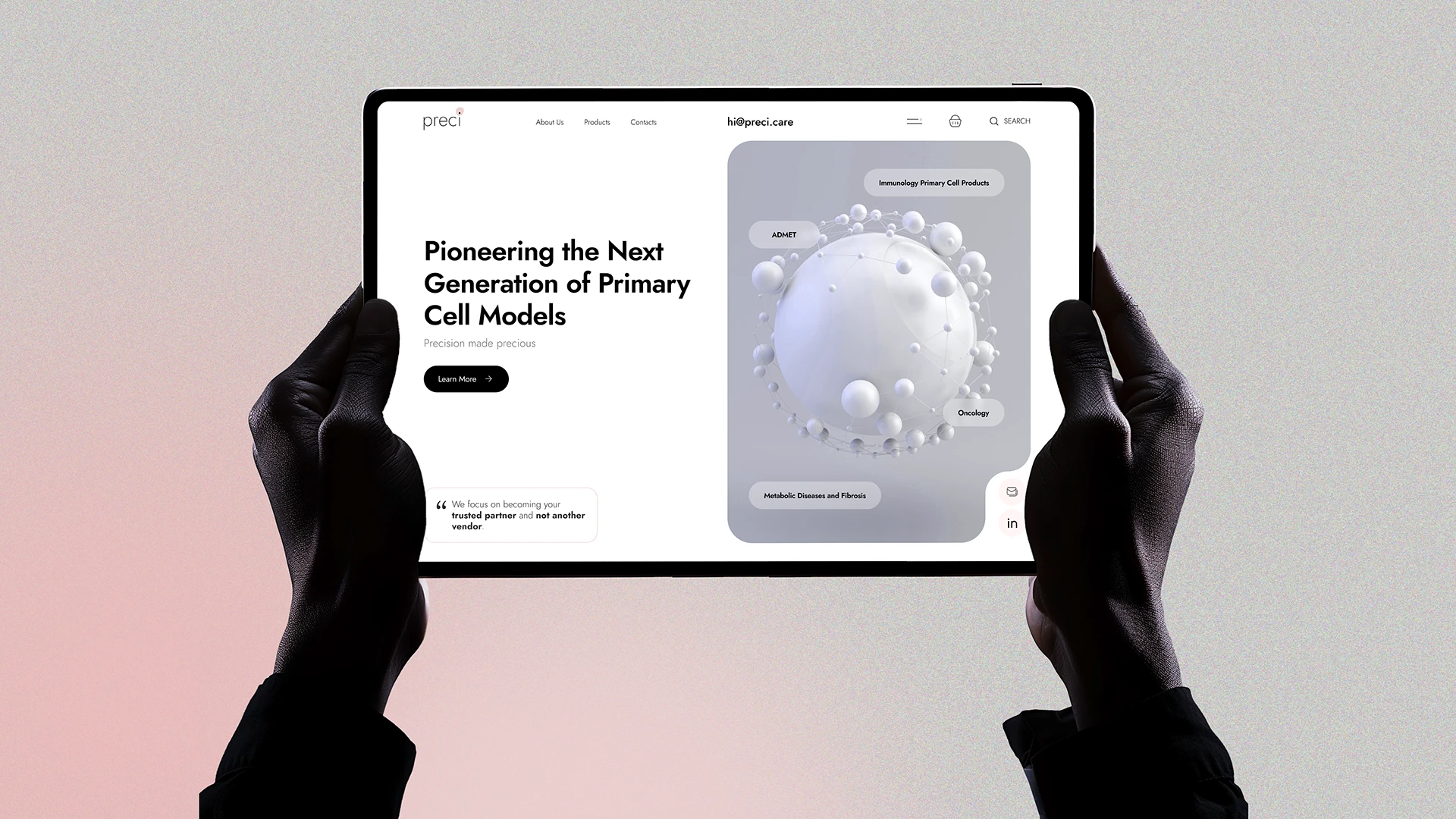
Cover: Preci tablet presentation. Design credit Olena Petrochenko. Original project. External reference.
A good pharmaceutical CMS gives a marketing team room to work. A news announcement can become a page, a local team can adapt an approved message, and a scientific update can reach the right places without rebuilding the website around it. That is the useful kind of power: less theatre in the demo, more control on an ordinary Tuesday.
Our shortlist for pharmaceutical websites in 2027 is WordPress, Drupal, Adobe Experience Manager Sites, SitecoreAI and Contentful. They represent different approaches to editing, content structure, local operations and delivery. The best choice depends on what your organisation needs to publish and who will operate the platform after launch. We would put different names first for a focused biotech team, an international brand network and a company coordinating several digital products.
This is a planning edition reviewed on 11 October 2026, using documentation available at that date. It is an editorial assessment of fit, rather than a laboratory benchmark or a prediction of unreleased 2027 features. Product documentation supports the capabilities identified below; the shortlist, demonstration brief and decision criteria are our recommendations. A licence, a workflow label or an attractive portfolio does not by itself establish that a particular pharmaceutical implementation meets your organisation’s approval requirements.
We would start with WordPress when a company needs a well-structured corporate website and a practical editing experience for a relatively concentrated team. Drupal deserves a close look when explicit content relationships, permissions and translation moderation shape the work. AEM Sites belongs on the shortlist when international reuse and an established Adobe operating model matter. SitecoreAI merits evaluation when its content and experience stack serves a defined programme. Contentful is a strong candidate when structured content must feed several separately developed destinations.
Those are starting hypotheses for a demonstration, not universal winners. A capable existing implementation may be a better investment than a replacement. Equally, an established vendor relationship should not prevent a team from testing whether editors can complete the work they now need to do. Ask each candidate to perform the same tasks with the same sample content. Otherwise you are comparing five different stage shows.
| Platform | We would shortlist it for | Prove this in the demo |
|---|---|---|
| WordPress | A focused corporate publishing team with defined components | Review permissions, plugin responsibilities and the language model |
| Drupal | Structured content and explicit translation moderation | Draft/live separation and independent language approval |
| AEM Sites | A coordinated international site network | Local exceptions, inheritance and rollout consequences |
| SitecoreAI | A defined content and experience programme | The actual licensed tools, workflow and current editor experience |
| Contentful | Content serving several separately developed channels | Complete previews, linked-entry publishing and locale permissions |
Begin with three examples from your own organisation: a corporate announcement, a scientific page with supporting material and a market-specific content update. For each, identify the owner, the reviewers, the intended audience, the publication date and the places where it appears. A CMS brief becomes much more useful when it describes a real change moving through those steps. “Enterprise ready” cannot tell you whether a local reviewer can see a translated page alongside its attachments.
Separate content types that behave differently. A team biography, a publication record, a therapeutic-area overview and a downloadable document may share design elements, but their fields and review needs differ. Decide which information belongs in a structured record and which should remain flexible narrative. For example, a publication could need a title, date, source link and associated topic; a page could assemble selected publications without maintaining a second copy of those details.
Then describe your market model. Language and country are different decisions: two countries can share a language while requiring different content. Specify what may be inherited, what must be reviewed locally, and what happens when a translation is unavailable. A seemingly convenient fallback can become a poor fit if it shows a reader material intended for another market. The correct behaviour should come from your content owners and approved operating rules, then be demonstrated in the proposed system.
Finally, write down who operates the website. Marketing may own page assembly, medical colleagues may review scientific material, and IT may own identity, deployment and maintenance. Give each group a testable responsibility. Our pharmaceutical CMS implementation approach starts with that content and editorial structure, because the backend needs to reflect the organisation doing the work.
WordPress is our first candidate to test for a focused corporate website whose editors need a clear set of page components. The attraction is an implementation that makes the familiar jobs straightforward: publish a company update, add a team member, maintain a scientific overview and assemble a campaign page from approved building blocks. We would favour a deliberately designed editing interface over giving every user an unrestricted canvas. The team should understand what each field does without needing a designer beside them.
The documented core provides roles and capabilities for controlling actions, and revisions for comparing and restoring saved changes. Those are useful foundations; they do not amount to a complete pharmaceutical review process. Additional approval states, reviewer evidence, publishing restrictions and integrations must be specified and implemented where the organisation requires them. See the official roles and capabilities documentation and revision documentation for the underlying behaviour.
Our demonstration would use a contributor who can draft a scientific update, a reviewer who can comment or approve within the proposed implementation, and a publisher who can release the right version. Ask what happens if someone edits the approved text afterwards. Does the approval still apply, does the item return to review, or can that person publish immediately? Test the configured roles with actual accounts in a demonstration environment. An administrator clicking through every step proves very little about separation of responsibilities.
Multilingual publishing also needs a deliberate design. WordPress’s official multilingual guidance describes approaches involving plugins and site networks; core does not supply a complete multilingual content operation on its own. Ask how translations are linked, how shared data is represented, and how changes to the source reach the local team. The chosen plugin or custom approach becomes part of the operational responsibility, including updates and support.
We would choose WordPress when the proposed build handles those jobs cleanly and the organisation can maintain the resulting stack. We would pause if the demonstration relies on a sprawling collection of extensions without clear ownership, or if the project actually requires a cross-channel content operation that has not been scoped. For a narrower platform decision, our WordPress versus Drupal comparison for pharma provides a separate starting point. This annual shortlist adds a common demonstration brief across all five candidates.
Drupal deserves attention when the publishing job centres on relationships and permissions: a scientific page connected to publications, a directory with consistently defined records, or several language versions moving through their own review steps. We would ask the delivery team to model one such relationship before designing a beautiful landing page. The important question is whether editors can maintain the records and their connections confidently as the volume grows.
Drupal’s core Content Moderation module works with Workflows to support states beyond published and unpublished. Its documentation describes keeping a published version live while a working copy goes through review. It also states that translations are moderated separately, and that a new translation starts from the currently published source version rather than the latest draft. These details make Drupal worth testing for a controlled multilingual operation. They are documented capabilities whose implementation still needs correct configuration. Read the official Content Moderation overview.
A useful demonstration would place a revised English page in review while the current page stays visible, then prepare a French version under a different reviewer. Have the team show which version the translator sees, which permissions expose the unpublished text, and which actions can release it. Repeat the exercise with a related document. The website may present a coherent page while storing its parts as separate entities; your approval process needs to account for that relationship.
Our recommendation is to assess Drupal’s editing experience alongside its structural strengths. Ask a person who will actually use the site to add a record, update a relationship and find an item awaiting review. A content model can be technically elegant and still require clearer labels, better guidance or fewer exposed settings. Include those improvements in the project scope rather than assuming training will solve every difficult screen.
We would shortlist Drupal when the organisation benefits from that explicit structure and has a realistic plan for specialist delivery and ongoing care. We would not pick it solely because the brief contains many languages: language count does not describe approval complexity, content volume or independence between markets. The strongest case is a demonstrated workflow that your team can operate, with responsibilities for core, contributed modules and custom features clearly assigned.
AEM Sites is worth evaluating when a company operates a coordinated site network and wants to manage the relationship between shared content and local adaptations. We would place it on a serious shortlist where an existing Adobe investment, an experienced team and a defined rollout model support the project. The procurement question is whether those assets serve the actual publishing programme. A brand can use Adobe products elsewhere without needing every website to follow the same architecture.
This comparison concerns AEM Sites as a Cloud Service. Adobe’s documentation for Multi Site Manager describes Live Copies that reuse content and maintain relationships with a source, with options to disconnect particular pages or components for local adjustments. Content Fragments provide structured content based on models for reuse and delivery. These are different mechanisms with different jobs; a live page copy and a reusable structured fragment should not be treated as interchangeable. See Adobe’s Multi Site Manager overview and Content Fragment setup documentation.
Ask for a demonstration with a shared corporate page and two local variants. One market should inherit a changed image; the other should retain a locally approved paragraph. Then introduce a new page with a name that already exists locally. The point is to understand the proposed inheritance and conflict rules, including what editors see before rollout. Document which changes are propagated, which are reviewed, and who can change those relationships later.
We would also ask the vendor to identify the exact delivery approach, the asset-management scope and the environments included in its proposal. The AEM name covers several products and deployment contexts. Documentation for another edition is useful background, but it cannot prove the behaviour of the edition you are buying. Keep the demonstration and the commercial scope aligned so a desirable feature does not quietly depend on an additional product or a different architecture.
AEM belongs in the final comparison when reuse across markets creates a clear operational benefit and the organisation is equipped to manage the platform. For a team evaluating a smaller publishing requirement, compare the implementation and maintenance work against a simpler option. Our WordPress versus AEM comparison for pharma covers that narrower decision; use this shortlist to decide whether AEM’s international content model warrants a practical trial.
For 2027 planning, the product name needs care. Sitecore’s official transition FAQ describes XM Cloud as the core of SitecoreAI, with its global launch on 10 November 2025. It also distinguishes the supported XM and XP products. An organisation evaluating Sitecore should identify what it runs today and what the proposal actually includes. A feature demonstrated in SitecoreAI is not evidence that the same feature is present in an existing XP implementation. The SitecoreAI transition FAQ explains that distinction.
SitecoreAI’s documentation describes workflows with states and transitions, including a final state that allows publication. Its language guidance covers creating language versions of pages. Those capabilities provide material for a useful demonstration: a local version moving through a review process, with editors seeing the content and presentation they are about to release. See the official workflow definition documentation and language-version guidance.
Our fit test would begin with the company’s actual experience programme. Which audiences need different content? Which distinctions are based on a market choice, an authenticated role or a recorded preference? Who maintains the rules, and who reviews their output? Ask the implementation team to show those scenarios with approved sample material. Personalisation deserves a place in the business case when someone owns it and can explain the useful reader task it supports.
Then test the present editor experience. Sitecore’s current content-management documentation identifies Page builder and Content Editor among the relevant authoring tools. Avoid accepting an older demonstration as proof of the interface your team will receive. Have an editor change a component, find its language version, preview it and complete the proposed review route. Ask which capabilities require provisioning or particular entitlements, and capture the answer in the scope.
We would shortlist SitecoreAI where a defined content and experience programme, delivery team and commercial arrangement make it a plausible fit. We would first audit the current implementation if the organisation already uses Sitecore: identify active features, custom behaviour and integration dependencies before proposing a move. Our WordPress versus Sitecore comparison for pharma can inform that review, while this edition brings the current product naming and a common evaluation task into the decision.
Contentful is a candidate to test when a company needs a structured content source for several separately developed destinations. Imagine a scientific explanation appearing in a corporate site, a professional portal and an application, each with an appropriate presentation. The interesting question is how much of that explanation is actually shared. If every channel needs different copy, ownership and release timing, a single source still needs a careful model; it does not magically make those differences disappear.
Contentful’s documentation describes several localisation strategies, including field and entry approaches. Its role documentation distinguishes organisation and space permissions, and identifies custom roles as a Premium-plan feature. Workflow permissions interact with the wider space permissions. That makes the content model and the contracted entitlement part of the same decision. Read the official localisation strategies, roles guidance and workflow permissions documentation.
Our demonstration would create a reusable entry, reference it from two destinations and change one translated field. Ask the team to show the exact release consequences. Can reviewers preview the whole assembled page, including related entries and attachments? Which locale or entry can be published independently in the proposed plan? What prevents a user with broader permissions from bypassing the intended workflow? Have the vendor demonstrate the answers in the configuration it proposes to deliver.
The frontend also needs an owner. A content API does not specify the website’s navigation, page rendering, search, consent behaviour or complete editorial preview. The delivery brief should assign those responsibilities and describe how a content change reaches the live destinations. Ask who investigates a situation where the CMS shows the new text but one website still displays the old version. A clear answer should name the relevant parts of the publishing path and the team responsible for each.
We would shortlist Contentful when shared structured content and several delivery teams justify the model. For a single corporate website, compare the additional implementation work against an integrated editing approach before deciding. Our answer to whether pharma should use a headless CMS is a useful companion. The architecture earns its place when it serves a concrete content operation that your organisation is prepared to maintain.
Olena Petrochenko’s Preci redesign presentation, published in November 2025, pairs a soft scientific identity with clearly repeated content families. It is a visual briefing reference; the portfolio does not establish its CMS.
The tablet composition gives the hero illustration and headline their own space.
The wordmark and pink accent suggest a shared brand setting across templates.

Pale blush introduces the softer surface; preserve its defined colour token.

Dusty pink supplies a second accent within the same restrained palette.
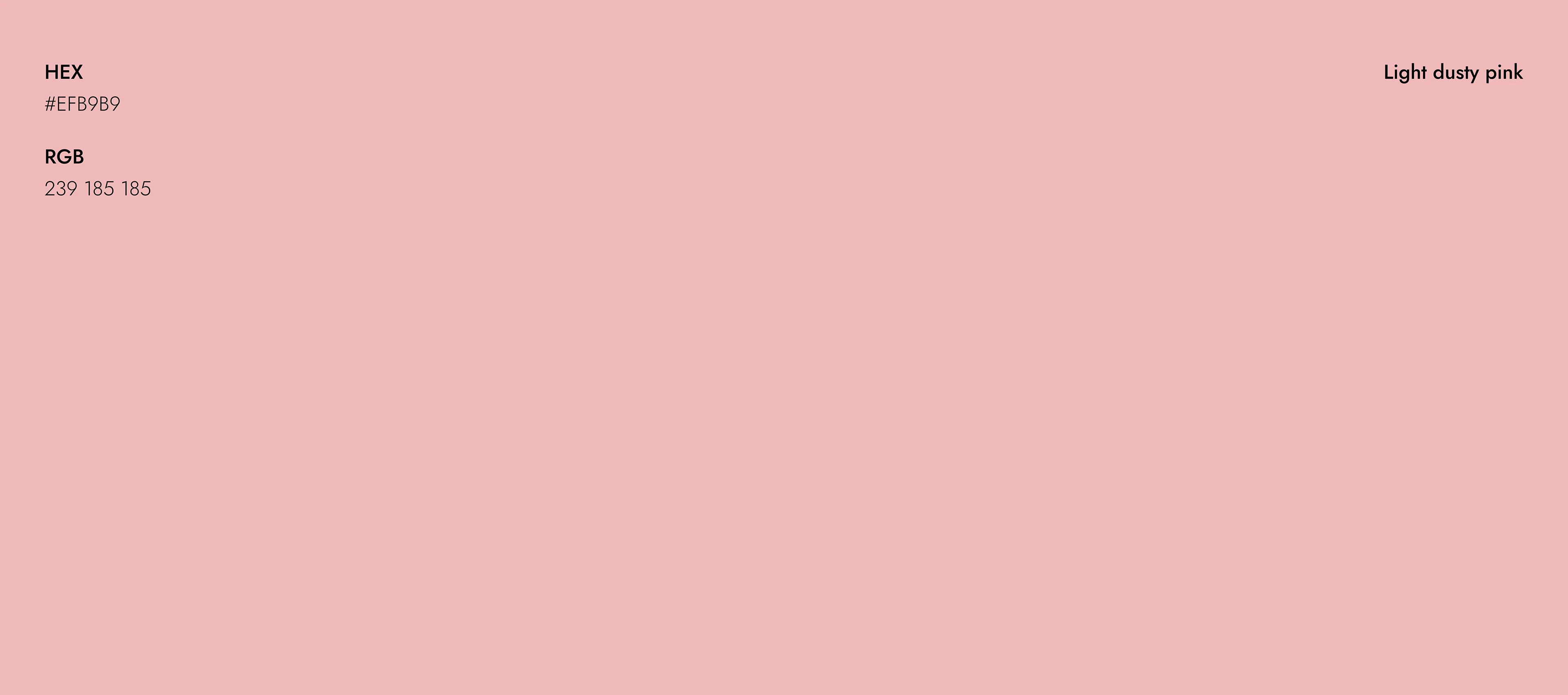
The light grey separates card surfaces while keeping the overall page quiet.
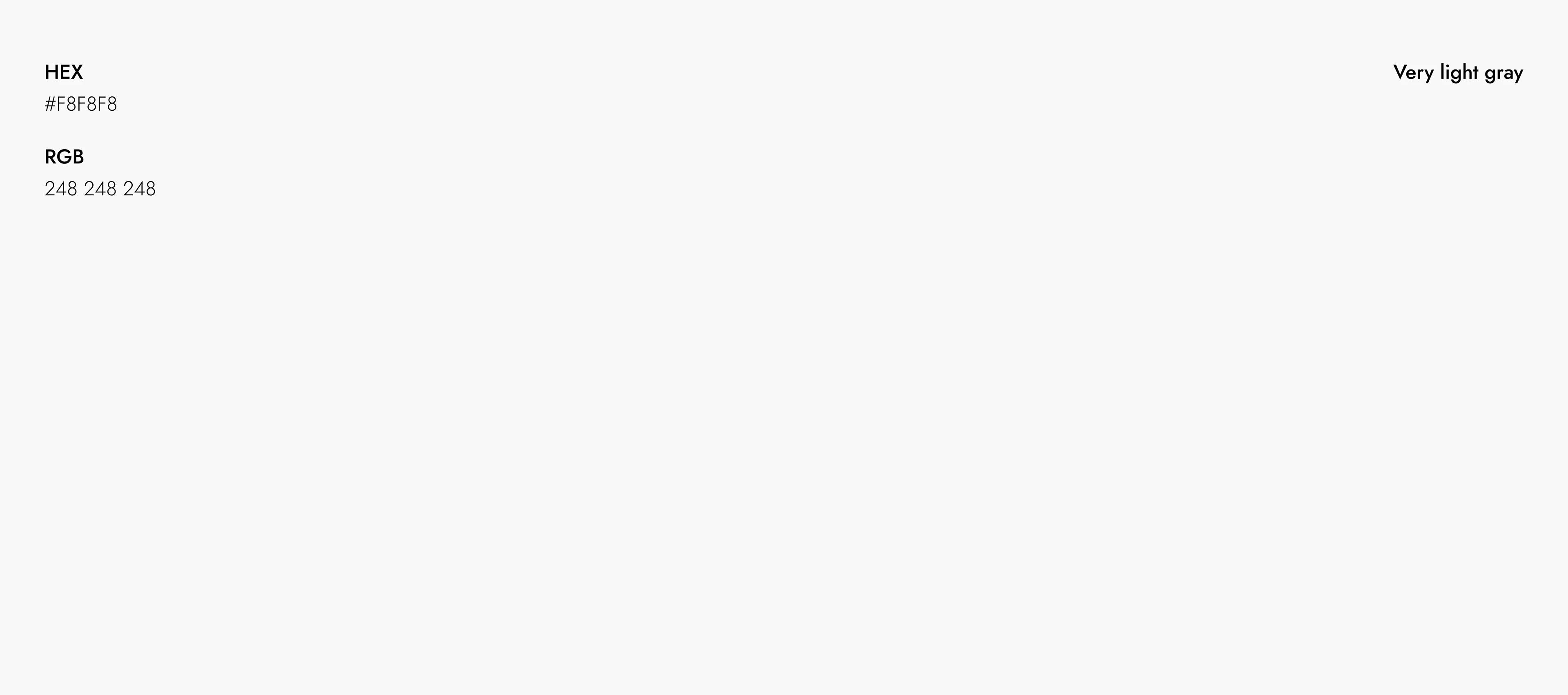
Black gives headings and rounded actions a consistent visual role.

The full board distinguishes product groups, product cards, enquiry fields and article cards. Ask vendors to maintain those separate records and preview both layouts.

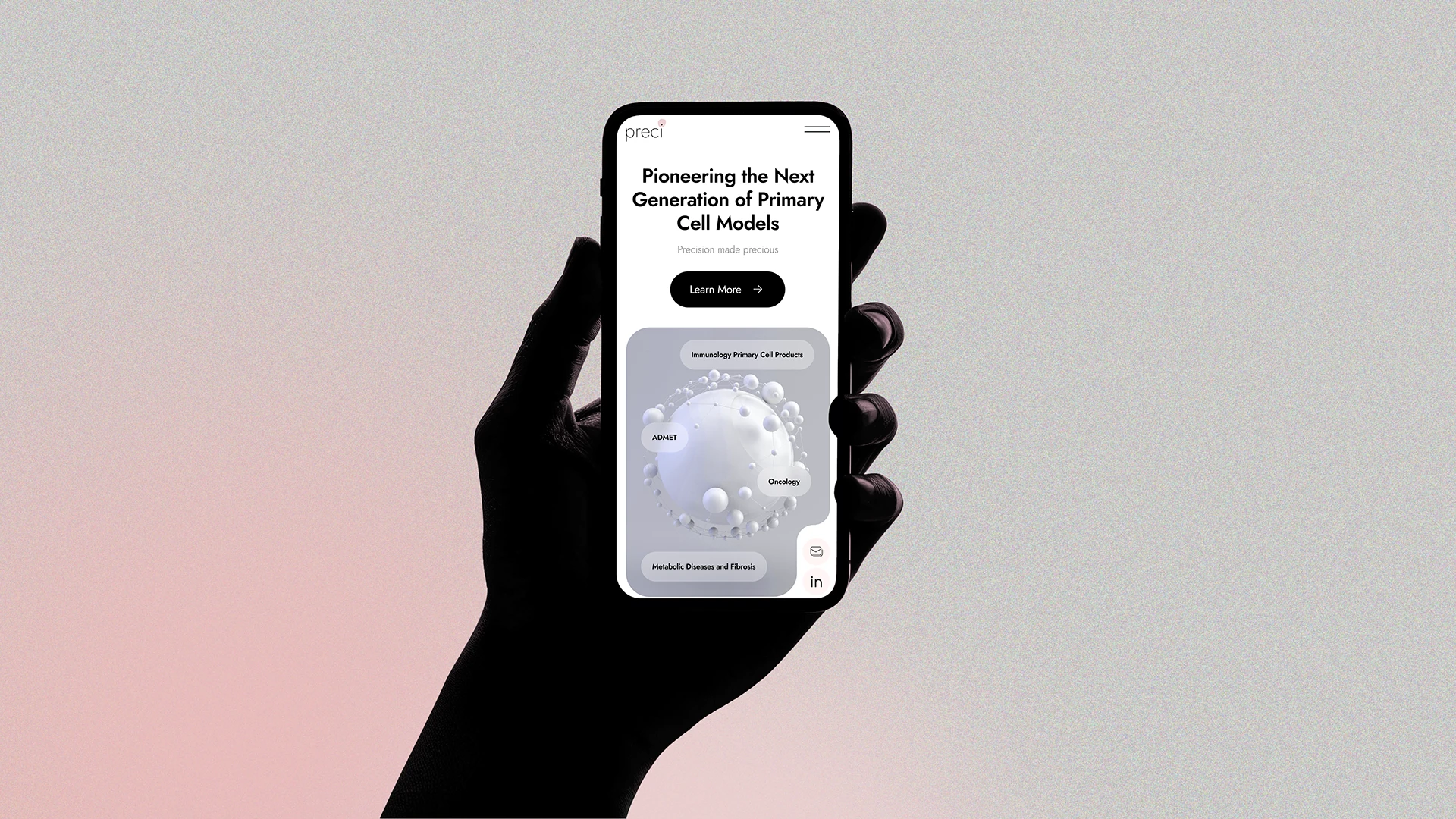
The mobile cover stacks heading, action and illustration. Include that composition in the editorial preview brief.
Studiogusto’s historical Sterling project gives pharmaceutical content a distinctive visual world: violet space, softly lit objects and strong white chapter headings. The Awwwards reference dates from 2019, and the creator’s project description supplies its context. We revisit it as a design brief for CMS procurement, without attributing an unverified backend.
The Innovation composition keeps its heading, introductory line and action separate from the spheres. Ask a vendor to demonstrate an equivalent split between editable chapter content and a controlled visual component.

The About Us view exchanges the abstract object for architecture while retaining the same chapter framing. Define which image, heading and timeline fields an editor could maintain without rebuilding that composition.
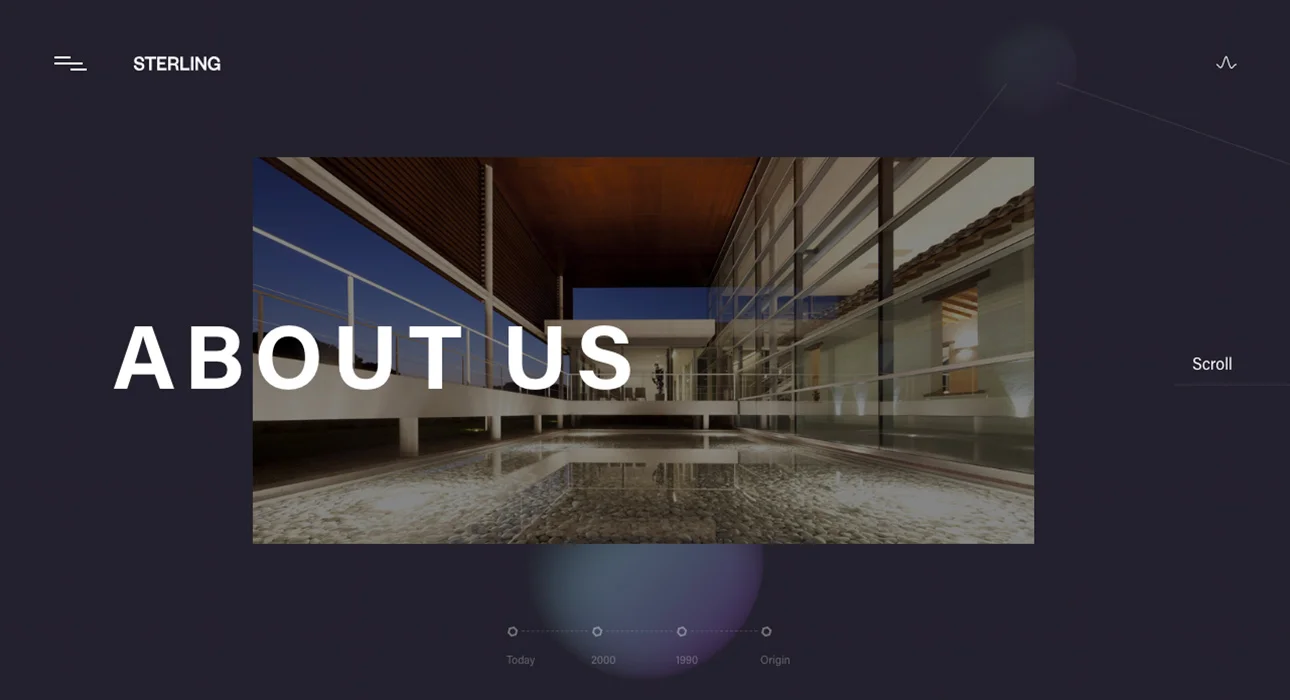
The chapter transition moves from Products to Innovation and Service while the navigation keeps its place. This is where a CMS demonstration gets interesting: let an editor change the title, introductory copy and chapter order, then preview every settled state. A handsome opening frame is only part of the brief. Long translated headings and the quieter version for reduced motion need a place in the demonstration too.
The second recording connects a category, its list of entries and an individual information panel. A spinning model supplies the personality; a stable panel supplies somewhere to read. Turn that relationship into a content model before commissioning the interaction. An editor should be able to preview how a changed record title appears in both the list and the detail view, with clear ownership of the associated illustration. The historical recording supplies the visual brief, not a verified publishing workflow.
Prepare a small, fictional content pack for the evaluation. Include a corporate update, a scientific overview, a referenced document, a local adaptation and a campaign page assembled from shared elements. Keep real confidential or personal information out of the pack. Give the vendors the fields, ownership rules and intended publication sequence in advance, then watch how the proposed implementation handles them. This makes comparisons possible without mistaking a generic product tour for a solution.
Have an editor revise the overview while the current version remains publicly available. Ask a reviewer to open the draft, compare the change and request a correction. Then let the editor revise it again. Record which version carries the review decision and what happens to that decision after the edit. The acceptance criterion should describe the result your organisation needs, including what ordinary users can do, rather than prescribing one vendor’s button names.
Next, update a shared content element while one market retains a local variant. Ask the reviewer to see the effect on the whole page. Replace the associated document and inspect every place that refers to it, including previews and downloadable links. A successful page edit may still leave an older file accessible through a different route. The demonstration should show the proposed handling, and the project should specify how withdrawal or replacement is carried through the live delivery layers.
Give a future editor the keyboard. Let them find an awaiting-review item, assemble a page and recover from an ordinary mistake. Observe where the interface needs better labels or clearer instructions. Record time and difficulties as findings from this specific trial, rather than turning one short session into a universal productivity statistic. Invite reviewers and IT colleagues to assess their parts too. The strongest evaluation includes the people who will inherit the system when the launch team leaves.
Ask each supplier to separate subscription or licence charges, implementation, hosting or delivery services, extensions, support, upgrades, training and planned content changes. Add the people required to run the proposed workflow. Use consistent assumptions about markets, traffic, environments and editors. A published starting price rarely represents the complete pharmaceutical website programme, and private commercial terms cannot be inferred from a feature list. Compare written proposals for your scope, with the exclusions visible.
Before choosing to replace a CMS, inventory what the website already publishes. Include pages, files, language relationships, redirects, navigation links and structured content that appears in more than one location. Identify who owns each item and whether it should be moved, consolidated or retired. This is also an opportunity to improve the model: a duplicated publication list might become a shared collection, while a market-specific statement might deserve its own controlled field.
Build a URL map from the actual published inventory. For each old address, define its intended destination or retirement handling. Include translated URLs and downloadable files, then test the normal public routes. Keep canonical links, language signals, page titles and internal navigation aligned with the new content structure. Google provides site-move guidance for URL changes; use that guidance alongside a migration plan based on the specific site. Changing a CMS is not evidence that search visibility will improve.
Rehearse content transfer with a representative sample before moving everything. Compare fields, paragraphs, media, links and approval-related metadata against the source. Ask a local team to review a translated page and a content owner to check a reused record. Resolve model differences while the sample is small. A migration that copies text successfully can still lose the relationship between a document, its language and the pages that present it.
Define launch verification and responsibility for the first weeks. Check that approved content is visible, drafts remain excluded, forms reach their intended destination, and the public archives expose the new material. Inspect both desktop and mobile views. Track relevant search and enquiry measures against a dated baseline, and investigate discrepancies before assigning them to the platform. The team should know who can fix a publishing issue and who can approve the correction.
For a focused corporate publishing requirement, we would start by testing a structured WordPress implementation against the team’s real tasks. Include a scientific revision, a page assembled from defined components and any required language workflow. If those jobs expose a need for more explicit moderation or cross-channel content reuse, bring Drupal or a suitable headless approach into the same demonstration. Team size alone should not decide the platform.
Choosing a product does not establish your complete approval process. Define the content types, responsible reviewers, version handling, permissions and release rules, then verify the proposed implementation against them. Workflow features can support those requirements, but their configuration, integrations and day-to-day operation matter. Have the relevant content, quality and IT owners assess the intended use before treating a demonstration as acceptance.
A shared system can be useful when the organisation genuinely shares records, components and governance. It needs an explicit model for local ownership, translations, exceptions and release timing. Ask the candidate to demonstrate one shared update and one local exception. If the countries have very different operating needs, assess whether a shared platform, separate sites or a combination gives the clearest responsibilities.
The architecture label does not prove search performance. Evaluate the delivered pages, their crawlable content, links, language handling and publication path. Include complete previews and public route checks in the acceptance brief. Headless can suit a multi-destination content operation, but the frontend and publishing implementation still need to deliver a useful, accessible website that readers and crawlers can reach reliably.
Request the same task-based demonstration from the final candidates, a clear content and market model, a written operating scope, and a migration plan based on the existing site. Include future editors and reviewers in the trial. Approve a platform when the proposed implementation proves that it can support the team’s work and when responsibility for running it is clear. That is a firmer foundation for 2027 than a long feature list.
The best CMS decision leaves your team with a publishing system it understands and can run. A sharply defined brief makes that decision easier: real content, real owners, visible review steps and a delivery model that fits the organisation. If you are preparing a pharmaceutical website for 2027, bring that operating brief to a CMS implementation review. We can help turn it into a practical shortlist and a demonstration worth watching.